Nick Brown Design
Our expert services are always finished before the due date, and always produce the stunning results you were hoping for.
Our top-notch service will serve as a showcase for your skills.
Choose a time to meet with our innovative team of Web designers to talk about your project. Then, we’ll help you turn that vision into a financially viable business. We all know that the Internet can transform your life in miraculous ways.
Nick Brown Design is proud to have provided clients all around the world with complex WordPress development projects to their complete satisfaction. When you choose an award-winning firm like ours, you can expect the best possible service and major results.
Artistic Methodology
We can think creatively outside the box and handle all of the grunt labor associated with art production. Relax and prepare to be awed.
Responsive Web Design
The presentation of your website will
remain flawless across a wide range
of screen sizes.
Marketing Lingo for "Brand"
We can give your company’s concept a fresh lease on life by ensuring visual cohesion across all mediums.
Experiencing Success as a User
Excite potential buyers with a website that is a breeze to navigate. With our extensive knowledge and persistent commitment to our clients, we can help you succeed in the digital world. For clients who want nothing less than perfection, this agency offers WordPress development services that are both highly customized and well optimized for search engines like Google.
Our Process
CONCEPT
DESIGN
We tailor the look and feel of each of our sites to the specific client’s business and sector. The designs are made with an easy-to-navigate interface in mind.
CODE
As soon as all the designs have been implemented into a program and the final user has access to and control over the underlying concepts, then you can start writing the code. Coding acts as a medium between users and as a platform for interaction.
QUALITY
When a customer comes to us with an idea, we take the time to fully grasp their needs before developing a comprehensive strategy for implementing that idea throughout the web. This not only sets us and our customers unique but also makes us proud.
LAUNCHING
We guarantee that the launch will go off without a hitch, just like all of our past operations. When it comes to setting up your server, website, domain, emails, etc., we’ve got you covered. Till the launch, you’ll have the help of our IT team.
MAINTENANCE
After the launch parties for your website or app are finished, we will continue to assist even if you no longer need it.
Recent Posts
- How to Write Alt Text for Website Images: A Practical Guide with Examples
 Alt text is one of those small details that quietly does a lot of heavy lifting on a website. It helps visually impaired users understand your visuals through screen readers, gives search engines context about your images, and acts as… Read more: How to Write Alt Text for Website Images: A Practical Guide with Examples
 - Above the Fold Web Design: What to Put There to Convert Visitors
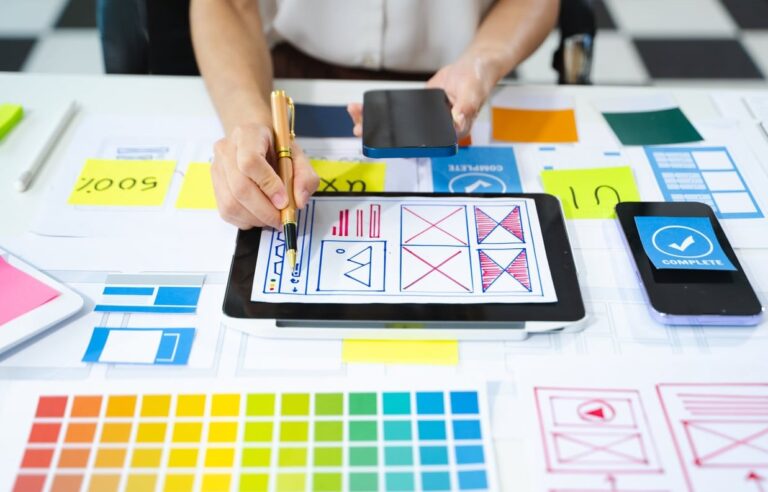 When someone lands on your website, you have roughly 3 to 5 seconds to convince them to stay. That decision happens almost entirely in one place: above the fold. Get it right, and visitors scroll, click, and convert. Get it… Read more: Above the Fold Web Design: What to Put There to Convert Visitors
 - DIY Website vs Professional Web Design: Which Is Right for Your Business?
 You need a website. That much is clear. What’s not clear is whether you should spend a weekend wrestling with Wix templates or invest in a professional web designer who knows what they’re doing. The DIY website vs professional web… Read more: DIY Website vs Professional Web Design: Which Is Right for Your Business?
 - Website Navigation Best Practices: How to Design Menus That Keep Visitors Engaged
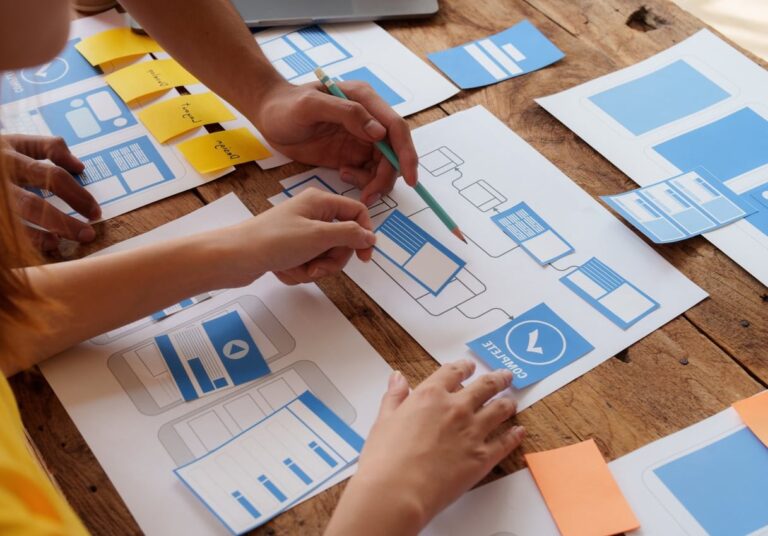 Why Website Navigation Can Make or Break Your User Experience Think about the last time you landed on a website and could not find what you were looking for. You probably left within seconds. That is exactly what happens to… Read more: Website Navigation Best Practices: How to Design Menus That Keep Visitors Engaged
 - How Much Does a 5 Page Website Cost in 2026?
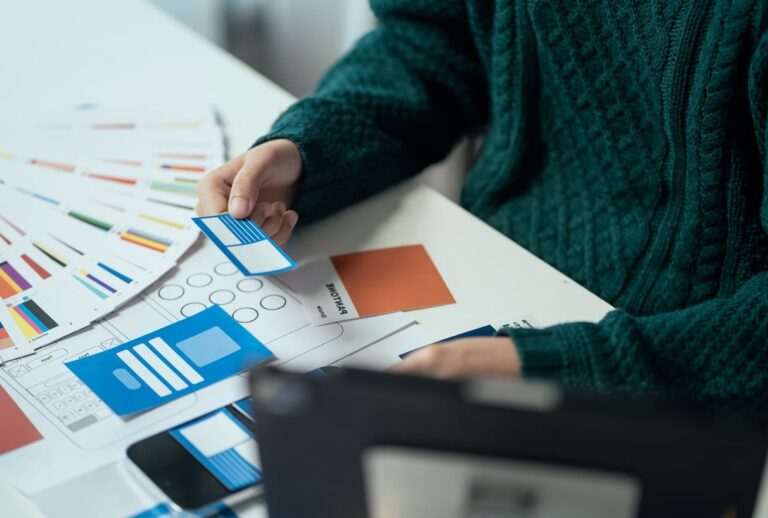 How Much Does a 5 Page Website Cost in 2026? If you’re a small business owner looking to get online, a 5 page website is often the perfect starting point. It gives you enough space to present your brand, explain… Read more: How Much Does a 5 Page Website Cost in 2026?
 - How to Give Feedback to Your Web Designer: A Client’s Guide
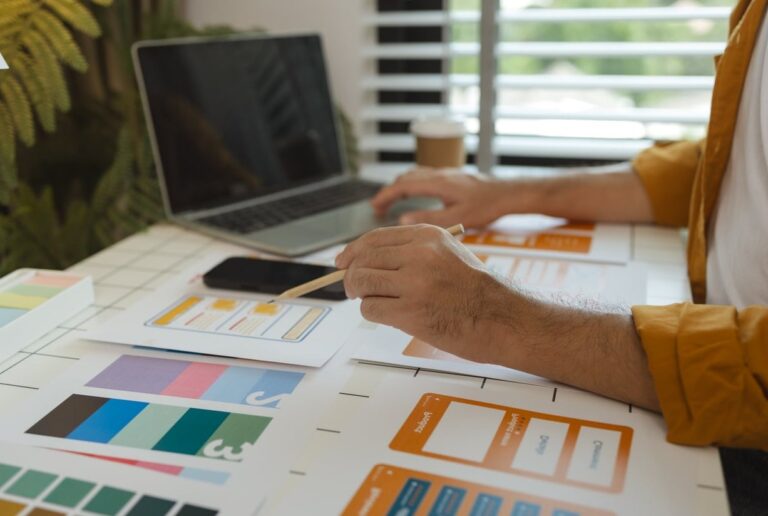 Why Giving Good Feedback to Your Web Designer Matters You have hired a talented web designer. The project is underway. Then the first draft lands in your inbox, and suddenly you are staring at a design thinking: “Something feels off,… Read more: How to Give Feedback to Your Web Designer: A Client’s Guide
 - UI vs. UX Design: Understanding the Key Differences for an Effective Website
 When designing a website, two terms often come up: UI (User Interface) design and UX (User Experience) design. While these terms are frequently used together, they represent different aspects of web design. Understanding the distinction between UI and UX is… Read more: UI vs. UX Design: Understanding the Key Differences for an Effective Website
 - Comparing Flat Design vs. Material Design in UI/UX
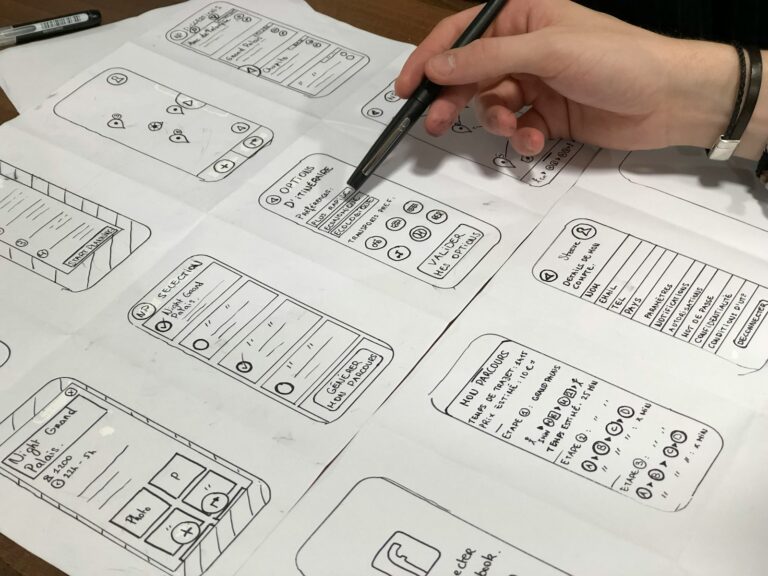 Design trends in UI/UX are continually evolving, and two of the most prominent styles in recent years are flat design and material design. Both approaches have distinct philosophies and visual aesthetics, making them suitable for different types of projects. This… Read more: Comparing Flat Design vs. Material Design in UI/UX
 - Designing for Accessibility: Inclusive UI/UX for All Users
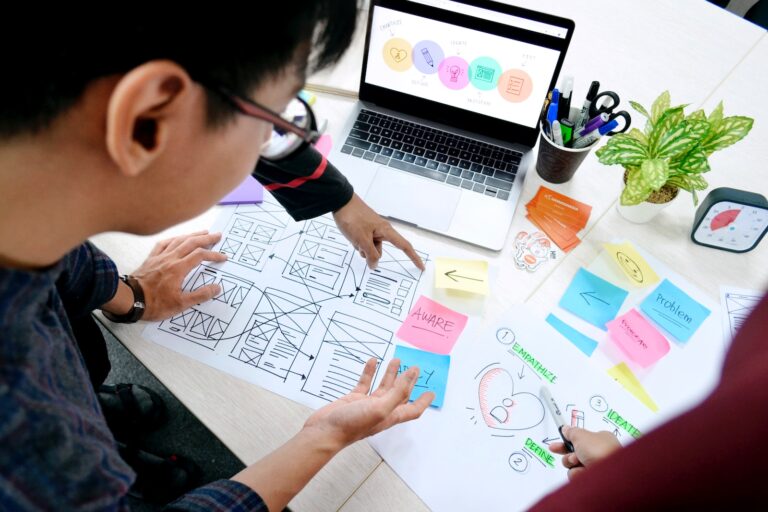 Creating an exclusive and easy-to-use interface is crucial nowadays because not all individuals are considered to be tech-savvy individuals which is why an inclusive UI/UX interface for all users must give a satisfying and enjoyable experience for all users especially… Read more: Designing for Accessibility: Inclusive UI/UX for All Users